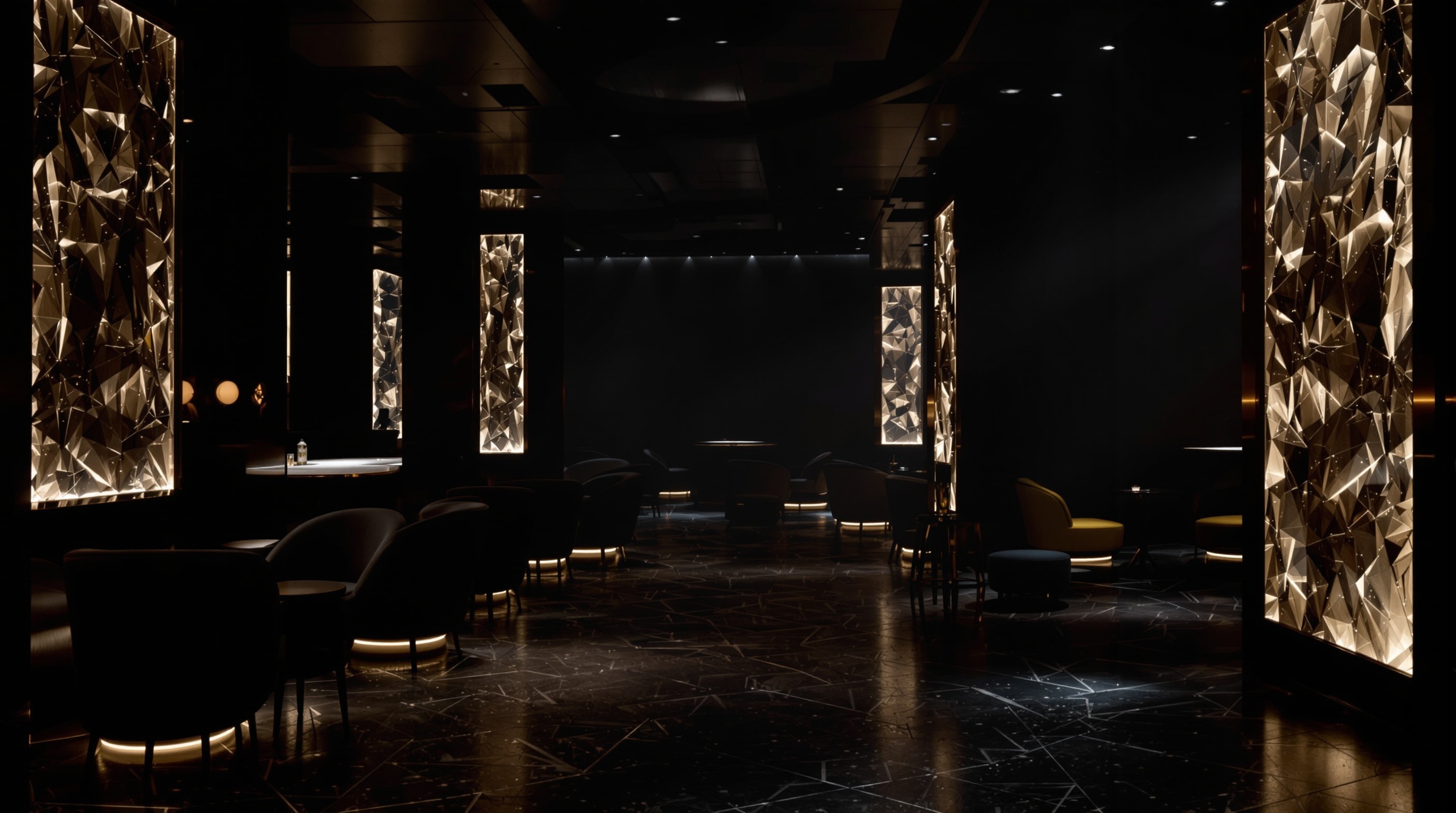
A clear breakdown of two of Manila's most popular entertainment formats — JTV (Japanese TV bars) vs KTV (karaoke rooms).
Two of Manila's most prominent nightlife formats — JTV and KTV — are often confused by first-time visitors. While they share some similarities, the experience, atmosphere, pricing, and target clientele differ significantly.
What is KTV?
KTV stands for Karaoke Television. A KTV bar in Manila features private rooms rented by the hour, in-room karaoke systems, and Guest Relations Officers (GROs) — hostesses employed by the establishment who provide companionship during the session.
What is JTV?
JTV stands for Japanese Television. A JTV bar follows the Japanese snack bar (sunakku) format — intimate rather than group-oriented, with a mama-san, karaoke screens playing Japanese content, and hostesses trained in Japanese hospitality.
Quick Comparison: JTV vs KTV
- Language: KTV caters to international clients; JTV is optimized for Japanese speakers
- Atmosphere: KTV is lively and group-oriented; JTV is intimate and conversation-focused
- Music: KTV has broad international catalogs; JTV features J-Pop and enka
- Pricing: JTV typically costs more per session than standard Filipino KTV
- Availability: KTV bars are found citywide; JTV bars concentrated in Makati and BGC
EVE NAVI Recommendation
For mixed international groups: KTV. For Japanese business travelers seeking familiar hospitality: JTV. Both formats are listed on EVE NAVI with current pricing and reviews.
Tags
Share This Article
Same Area — Other Languages